POLICY & ANALYSIS

Topic analysis

Application guides, policy context and the details behind immigration decisions.

186 articlesNewest first
Green cards & adjustment

USCIS: COVID-19 Testing and Treatment Will Not Affect Public Charge Determination for Green Card Applications

This article explains USCIS guidance on the public charge rule during the COVID-19 pandemic: testing, treatment, and preventive services (including vaccines) are not considered in public charge determinations and do not affect nonimmigrant extensions or changes of status. It also covers the rule's background, factors considered, and situations where applicants may submit explanations.

Guide8 min read

Fees, forms & filing

USCIS Discontinued Form I-944 on March 9, 2021: Family- and Employment-Based I-485 Applicants No Longer Need to File It

The article records that USCIS stopped using Form I-944, Declaration of Self-Sufficiency, as of March 9, 2021, so family- and employment-based applicants filing I-485 no longer need to include the form or related supporting documents. It reviews that the form originated from the 2020 public charge rule and explains the prior requirement that derivative applicants each complete their own form, as well as exemptions.

Guide2 min read
General policy

Explainer: China's Foreign Ministry Adjusts Entry Rules for Foreigners Holding Three Categories of Residence Permits

This explainer reviews the September 23, 2020 announcement by China's Foreign Ministry and National Immigration Administration: from 0:00 on September 28, foreigners holding valid work, personal affairs or family reunion residence permits may enter China without reapplying for a visa; those whose permits expired after March 28 may apply for a visa with the expired permit and related materials if the purpose of travel is unchanged. Other measures in the March 26 announcement remain in effect, and visas such as the 10-year multiple-entry Q2 are not yet accepted for entry.

Guide4 min read
General policy

What Do the Stars Below a U.S. Visa Photo Mean?

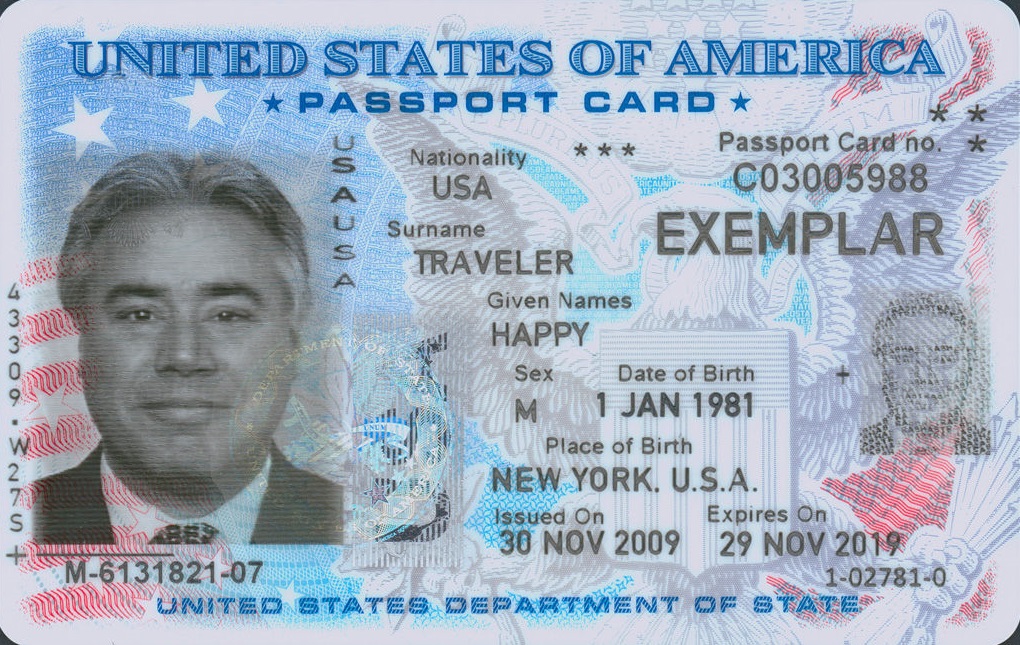
This article explores the meaning of stars below a U.S. visa photo, citing a State Department Q&A stating they have no significance, and discusses online rumors and personal opinions that stars are unrelated to risk.

Perspective2 min read
Fees, forms & filing

USCIS Will Not Call You About Biometrics: Notification Methods and Scam-Prevention Points

The article explains that USCIS does not call applicants to notify them about biometrics appointments; notices are generally mailed, with email or text updates available through Form G-1145 and notices viewable in a myUSCIS account. It warns about scams involving spoofed caller IDs and email domains, and describes reporting channels and precautions for protecting personal information when contacting USCIS.

Guide2 min read
Fees, forms & filing

Guide to Free EVUS Enrollment for U.S. Visa Holders

This article explains how to enroll for free in the official U.S. EVUS system, covering language selection, travel document and personal information entry, submission, status checks, and FAQs, while warning against third-party paid websites.

Guide5 min read
Work authorization & students

Why the I-94 Date on the CBP Website Does Not Update After an Extension Is Approved: Clarifying the Roles of CBP and USCIS

The article explains that when an extension application is approved, USCIS provides a new I-94 date at the bottom left of the I-797 notice, while the I-94 record on the CBP website does not update accordingly, which is normal. It distinguishes the roles of CBP and USCIS and notes that arrivals should check their I-94 promptly and that a second extension should rely on the new USCIS I-94 record.

Guide2 min read
Work authorization & students

How to Answer the EVUS Overstay Question After Departing During a Pending Extension

The article centers on one mother's experience: she filed an extension application before her I-94 expired, returned to China while the application was still pending, and the application was later denied. On that basis, the article discusses how she should answer the question "Have you ever overstayed?" when updating her EVUS. Citing INA 222(g) and the Department of State's Foreign Affairs Manual, the author states that timely filing a non-frivolous extension application and departing while it is pending does not constitute overstaying; the author leans toward answering "No" and recommends keeping the application receipt, proof of departure, and similar documents.

Guide3 min read
Work authorization & students

July 2021 USCIS Policy Update: B to F-1 Change of Status No Longer Requires Bridging the Gap to 30 Days Before Program Start

This article covers the July 20, 2021 USCIS policy change allowing B to F-1 change of status without maintaining status until 30 days before the I-20 program start date; F-1 status begins upon approval and the policy applies only to F-1, not M-1. It also reviews the prior 'Bridge the Gap' requirement and analyzes a reader's denied B1-to-F-1 case, including reasons and extension filing procedures.

Guide8 min read
Green cards & adjustment

Can Parents and Children Interview Separately in China and the U.S. and Adjust Status?

This article addresses a question from an F3 family whose priority date is current: whether the parents can interview in Guangzhou while their child, over 18 and studying in the U.S., adjusts status separately. It lists four circumstances under USCIS Form I-485 instructions in which derivative applicants may adjust status, notes that this family fits the category allowing adjustment after the principal applicant obtains an immigrant visa abroad and enters as a lawful permanent resident, mentions that consular processing may take 8 to 12 months, and advises consulting an immigration attorney.

Guide2 min read
Work authorization & students

USCIS Changes Unlawful Presence Calculation for F, J, and M Visas

USCIS issued a memorandum effective August 9, 2018, changing how unlawful presence is calculated for F, J, and M visas: it begins automatically when status expires, without a formal DHS finding of a violation. The article explains the difference between unlawful presence and overstay, the policy change, remaining grace periods, and protections for timely filed extension or change-of-status applications, and answers reader questions about pending change-of-status cases and B visa extensions.

Guide7 min read
General policy

Applying for a National Interest Exception (NIE) with B1/B2 and Other Visas Under the COVID-19 Travel Bans: Process and Key Points

Based on material dated January 27, 2022, this article outlines the U.S. COVID-19 travel bans under Proclamations 9984, 9992, 10143, and 10199 and the categories exempt from them. It explains who may apply for a National Interest Exception (NIE) to avoid a 14-day third-country stay, describes the application process, required documents, processing times, validity period, and common questions, and distinguishes between applicants who already hold a valid visa and those who need a new visa.

Guide5 min read

Free assessment

Choose an assessment method

Based on your experience and goals, learn how to prepare for the next step.

Available now

Human assessment

One-on-one with an immigration planner

Based on your personal experience, application goals, and existing materials, we will outline your application direction and preparation priorities.

Coming soon

ImmiClaw

AI smart assessment

The AI assessment service is in preparation. Once available, you can start here. For now, you can communicate with a planner.

Your immigration plan starts with a free assessment.