
Fact Check: Did the Biden Administration Secretly Fly 325,000 Migrants into the US?
This fact check examines Trump's claim that Biden secretly flew 325,000 migrants into the US. It confirms some inadmissible migrants can legally fly under parole programs, but notes the programs are public, flights are self-paid, and not new. The 325,000 figure comes from a report with undisclosed data and cannot be confirmed, though it is possible.
A large number of immigrants are crossing the southern US border, making immigration a central controversy in the 2024 presidential election season. After the Super Tuesday primaries, Trump repeated a claim from the Daily Mail in a speech: "Under Biden, 325,000 immigrants have been flown into the US on secret flights."
Are there migrants flying into the US who do not meet US entry requirements? Are these programs secret? Did the government pay for their flights? Is this a new program? WVEC fact-checked and explained these questions.
###
Question #1: Are there immigrants who do not meet US entry requirements flying into the US?
Answer: Yes, this is true.
In fact, immigrants who do not meet US entry requirements can be allowed to fly to the US under several specific circumstances. These programs permit them to travel to and stay in the US temporarily.
Under the authorization of the Immigration and Nationality Act (INA), these programs grant migrants "parole status." US Citizenship and Immigration Services (USCIS) states that parole status allows the Department of Homeland Security to temporarily admit individuals who would otherwise be inadmissible under "urgent humanitarian reasons or significant public benefit." For example, after Russia's invasion of Ukraine, the US established a parole program for Ukrainian citizens, allowing them to travel to and enter the United States.
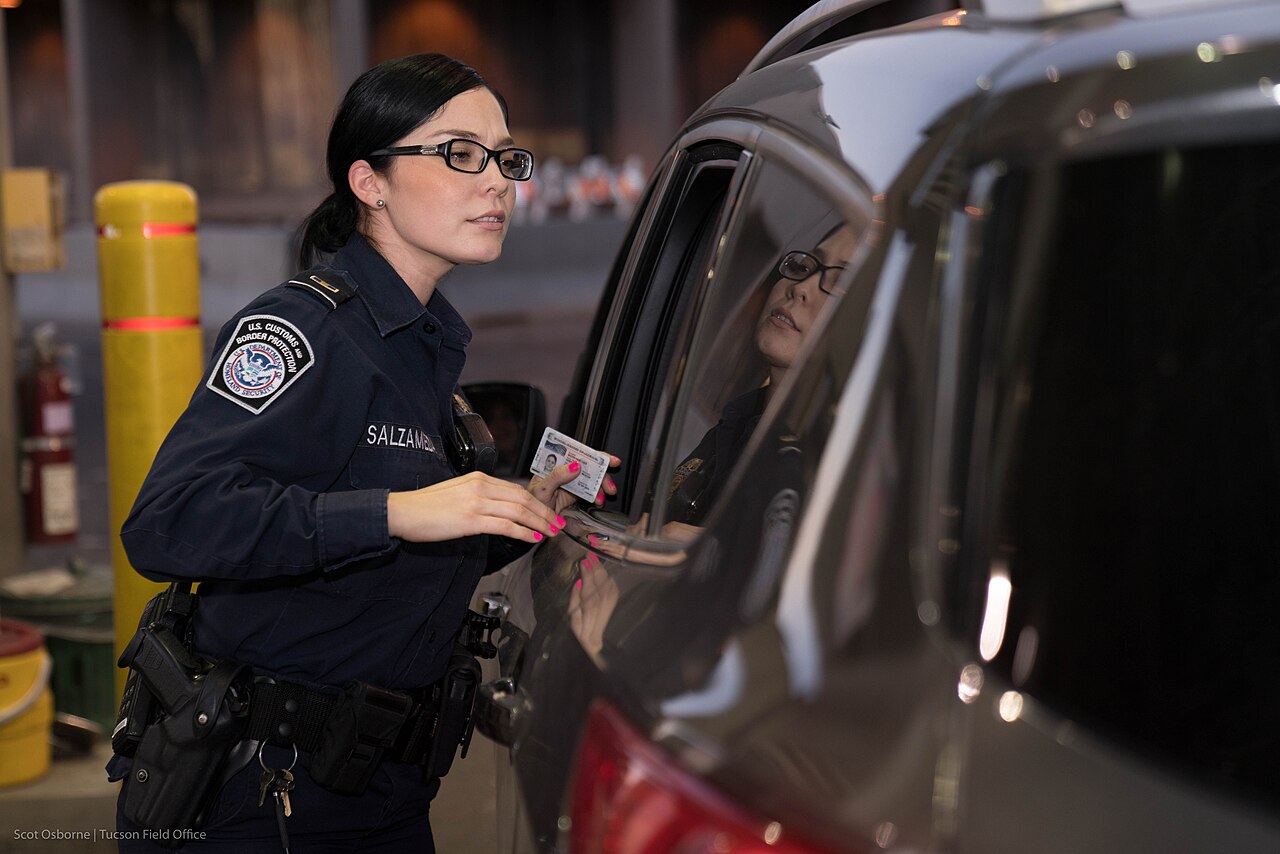
In some cases, the government authorizes immigrants to travel to the US and apply for parole at the airport to US Customs and Border Protection (CBP) officers; this is called advance parole.
The Biden administration's advance parole programs include those for Cubans, Haitians, Nicaraguans, and Venezuelans (CHNV), Uniting for Ukraine, and family reunification parole, among others.
Those who are paroled into the US are not formally admitted and are legally still considered "applicants for admission."
Any migrant granted advance parole must hold a valid passport from their country of origin and have a sponsor capable of providing financial support. Those who have attempted to enter the US without authorization in the past five years may be ineligible for certain parole programs, such as CHNV.
USCIS states that parolees are generally granted a one-year parole period, though some programs may grant different durations—CHNV grants two years. Parolees are authorized to work during their stay and may apply for an extension upon expiration; otherwise, they must leave the United States.
Question #2: Are these programs secret?
Answer: This is false.
These programs are not secret.
Information about parole programs can be found on the websites of US Citizenship and Immigration Services (USCIS) and US Customs and Border Protection (CBP). The flights used by migrants are public commercial flights that they book and pay for themselves. However, some data about these programs is not publicly available.
Trump's comments originated from a report by the Center for Immigration Studies, a nonprofit organization that conducts research on US immigration policy and is described by the Southern Poverty Law Center as an "anti-immigrant hate group." According to the report, from January to December 2023, 320,000 inadmissible migrants arrived at 43 US airports through parole programs.
The Center for Immigration Studies claims its data came from Freedom of Information Act (FOIA) requests, but the Center for Immigration Studies has not made this data public.
There is no official public data on how many migrants entered the US by air through advance parole processes. US Customs and Border Protection (CBP) data shows that 1.1 million migrants entered the US by air in 2023, but these figures include all migrants, including those granted full permanent admission to the United States.
Those wishing to apply for parole can request an appointment with CBP through the CBP One mobile application. These appointments can take place at airports or official ports of entry. According to CBP data, from January 2023 to the end of January 2024, 459,000 people successfully scheduled appointments through the CBP One application.
Although we cannot confirm that 320,000 advance parolees entered the US by air in 2023, based on total migrant air travel volume and CBP One application statistics, the figure of 320,000 is plausible.
Question #3: Did the government pay for immigrants' flights?
Answer: This is false.
No, the government does not pay for immigrants' flights.
Once an individual is authorized by US Customs and Border Protection (CBP) to schedule an appointment with an officer and receives travel authorization, they are responsible for paying for travel to the United States. This authorization does not guarantee that the applicant will be allowed to stay in the US upon arrival; CBP officers may deny the parole application after an interview at the official port of entry—in this case, an airport.
Additionally, the government only authorizes parolees who can demonstrate that they have a sponsor who is able and willing to provide them with financial support.
Question #4: Is this a new program?
Answer: This is false.
No, this is not a new program.
According to a report by the Congressional Research Service, the US has used parole programs to admit refugees since the 1950s. The Illegal Immigration Reform and Immigrant Responsibility Act of 1996 established the use of parole as a case-by-case application based on "urgent humanitarian reasons or significant public benefit."
For example, according to the Congressional Research Service report, the Cuban Family Reunification Parole (CFRP) program has allowed Cubans with US family members to apply for advance parole since 2007.
