
U.S. State Department Weighs $100,000 Bond for Green Card Applicants
A State Department spokesperson confirmed that the department, working with Homeland Security, is evaluating a bond of up to $100,000 for green card applicants deemed at risk of becoming a public charge, citing longstanding authority under the Immigration and Nationality Act; the amount would reportedly be refundable. The report compares current I-485 and DS-260 fees, notes that a similar $100,000 H-1B charge was struck down by a federal judge, and cites a $15,000 bond already required for certain African countries.
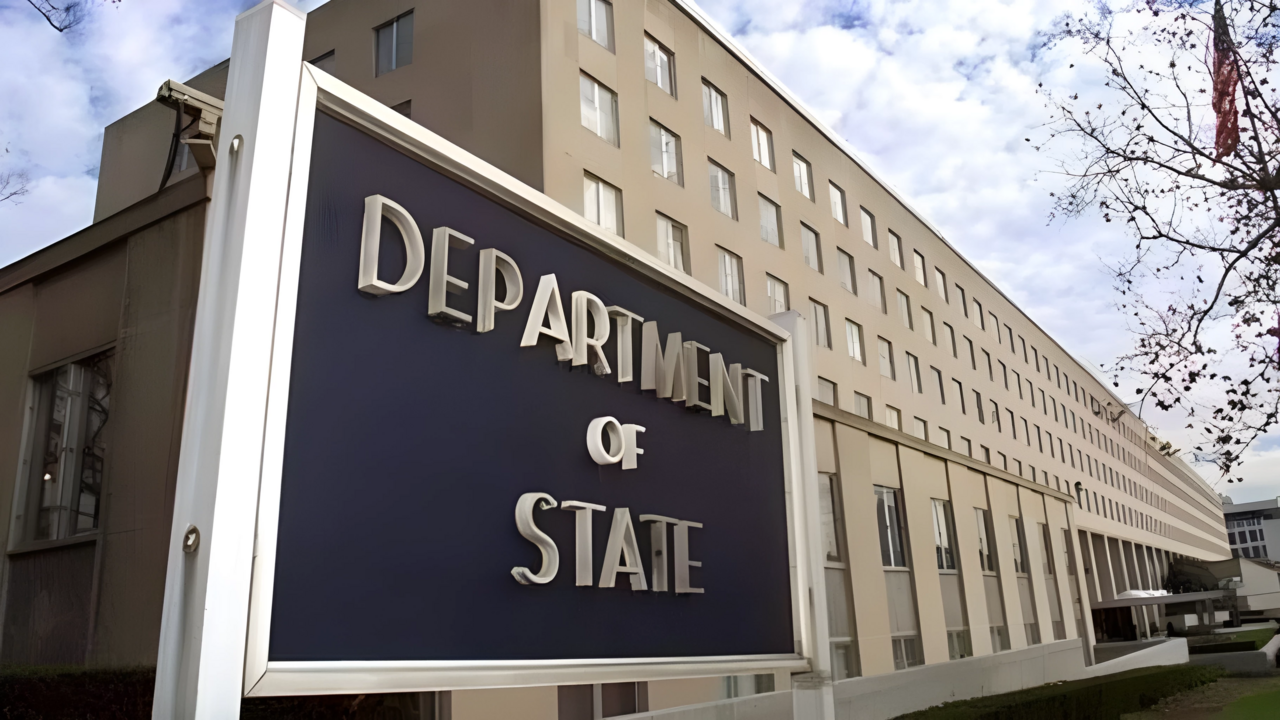
The Trump administration is considering adding a $100,000 bond to the green card application process, targeting those seeking lawful permanent residence in the United States.
U.S. State Department spokesperson Tommy Pigott said the government is evaluating a potential bond system that could reach six figures. The move aims to ensure immigrants are "financially self-sufficient" and "contribute more to our society than they take."
In a statement to The Hill, Pigott said: "We are working closely with the Department of Homeland Security to introduce commonsense and effective procedures to enforce U.S. law and restore the integrity of our immigration system. At the same time, this will protect American public benefit programs from the financial burden of foreigners arriving with significant and costly medical or other needs."
He added: "As part of this comprehensive plan, the State Department is exploring the use of a long-standing statutory authority under the Immigration and Nationality Act (INA). This authority allows for requiring certain visa applicants to post a bond. These applicants might otherwise be unable to obtain a visa due to the risk of becoming a 'public charge.' Posting a bond can serve as a way to demonstrate they have sufficient funds to support themselves."
(Image: White House)
In recent months, Trump and Republican lawmakers have continued to push large-scale deportation measures to crack down on illegal immigration. In addition, they have recently proposed legislation aimed at curbing "birth tourism," although the phenomenon is actually considered quite rare.
The six-figure entry fee is also seen as a means of screening immigrants based on specific financial status.
The Trump administration previously sought to impose a $100,000 fee on H-1B visa applicants, but the policy was ultimately struck down by a federal judge. The judge said the government exceeded its authority and that the fee usurped Congress's power to set immigration policy and taxes.
The H-1B visa allows employers to hire international talent with specialized skills, particularly in the tech industry. Holders are typically allowed to stay in the U.S. legally for three years, but unlike green card applicants, they are not lawful permanent residents.
Traditional green card application fees depend on the specific category and whether the applicant files from inside or outside the United States.
Comparison of Various U.S. Visa and Immigration-Related Fees
| Item Category | Amount (USD) |
|---|---|
| Proposed Green Card Bond | 100,000 |
| Proposed H-1B Visa Application Fee (Rejected) | 100,000 |
| Visa Bond for Certain African Countries | 15,000 |
| Standard Green Card Application Fee (I-485) Within the U.S. | 1,440 |
| Overseas Visa Application Fee (DS-260) | 325 |
| USCIS Immigration Fee (Card Production and Processing) | 235 |
For those applying from within the United States, the standard filing fee for Form I-485 is $1,440. However, additional fees apply if work authorization and travel documents are also needed, unless filed concurrently under specific conditions.
Those applying from outside the United States generally must pay the $325 DS-260 visa application fee through the State Department's Consular Electronic Application Center (CEAC) online portal.
After the visa is approved, applicants must also pay a $235 U.S. Citizenship and Immigration Services (USCIS) immigration fee for processing materials and producing the green card.
For those seeking U.S. permanent residence, the $100,000 bond would undoubtedly represent a massive cost increase.
Under the proposed new policy, the Trump administration would collect the payment from the individual or their family members in the U.S., and refund it at a future date.
According to The Wall Street Journal, since August of last year, visa holders from Malawi and Zambia have been required to post a $15,000 bond. If they overstay after arriving in the U.S. or apply for other immigration statuses such as asylum, the bond will be forfeited.
According to The Wall Street Journal, the other 50 African countries are also required to comply with the policy. Trump administration officials say this helps ensure that 97% of visa holders do not overstay.
However, State Department officials also noted a decline in the number of visas issued.
Pigott said that expanding the program would give "applicants who have the financial means to support themselves another option to demonstrate they can afford to live, thereby meeting the conditions for obtaining a U.S. visa."
