
USCIS Restores Discretion to Deny Incomplete Applications Without First Issuing RFE or NOID
U.S. Citizenship and Immigration Services (USCIS) says applicants must establish eligibility and submit all required initial evidence at filing; officers may otherwise deny the application at their discretion without first issuing an RFE or NOID. The policy replaces the Biden-era approach and applies to applications filed on or after August 5, 2026, as well as those still pending.
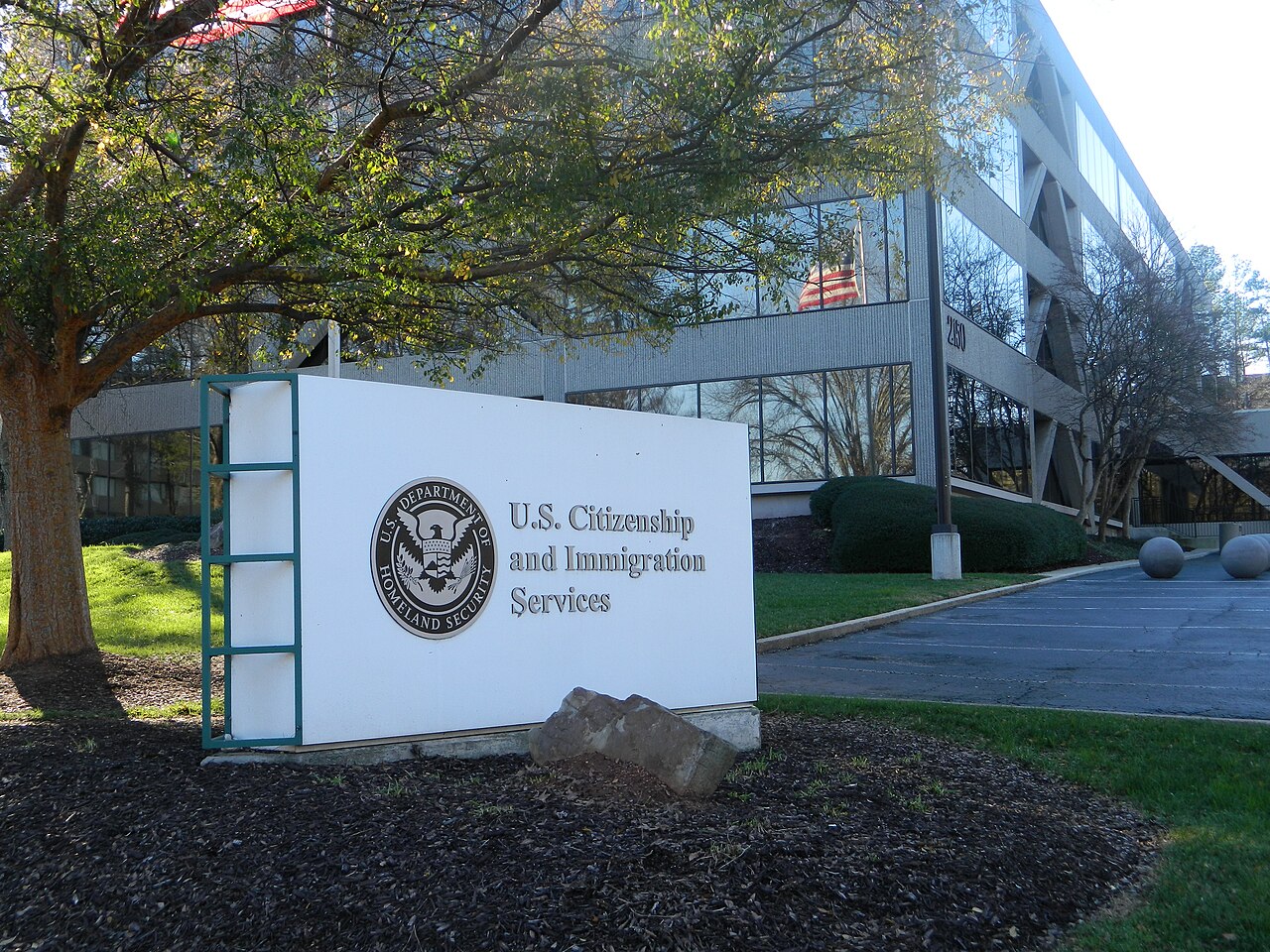
U.S. Citizenship and Immigration Services (USCIS) has made clear that immigration applicants must establish their eligibility for the relevant immigration benefit at the time they file. Generally, if an applicant fails to establish eligibility when filing, or fails to provide all required initial evidence, USCIS may deny the application directly without first issuing a Request for Evidence (RFE) or a Notice of Intent to Deny (NOID). USCIS form instructions already list in detail all initial evidence required for each application, giving applicants the complete information needed to comply.
Under this new policy, USCIS adjudication procedures will align with the Department of Homeland Security's existing long-term regulatory authority and form instructions. Supporters of the policy argue that it will help restore the integrity of the immigration system and make it harder for foreign nationals to file baseless applications.
This policy update revises the prior policy from the Biden administration. The old policy encouraged immigration officers to request additional evidence before denying an application, even when the applicant submitted an incomplete form, failed to establish eligibility, or did not provide initial materials that were clearly required at filing. That old policy led to a backlog of a large number of baseless or seriously incomplete applications, slowing USCIS processing for other applicants waiting in the normal queue.
In addition, the Biden-era policy allowed some applicants to exploit loopholes. By filing "placeholder" applications, they obtained immigration benefits such as work authorization while their cases awaited a decision.
USCIS has now restored immigration officers' discretion. In various circumstances, officers may deny an application directly without first issuing an RFE or NOID. Through this new policy, USCIS can better allocate resources, improve adjudication efficiency, and deter baseless applications.
The policy takes effect immediately. Unless otherwise provided by statute or USCIS policy, it applies to all applications filed on or after August 5, 2026, as well as those still pending as of that date.
