
USCIS Finalizes End of 540-Day Automatic EAD Extension; Renewal Applicants on or After Oct. 30, 2025 May Face Work Stoppage
USCIS has finalized a rule ending the up-to-540-day automatic extension of employment authorization documents for certain immigrants who file renewal applications on or after Oct. 30, 2025. Work authorization generally ends when the current EAD expires, and workers must wait for renewal approval to resume work; employers and workers should assess stoppage risks and alternative work authorization options.
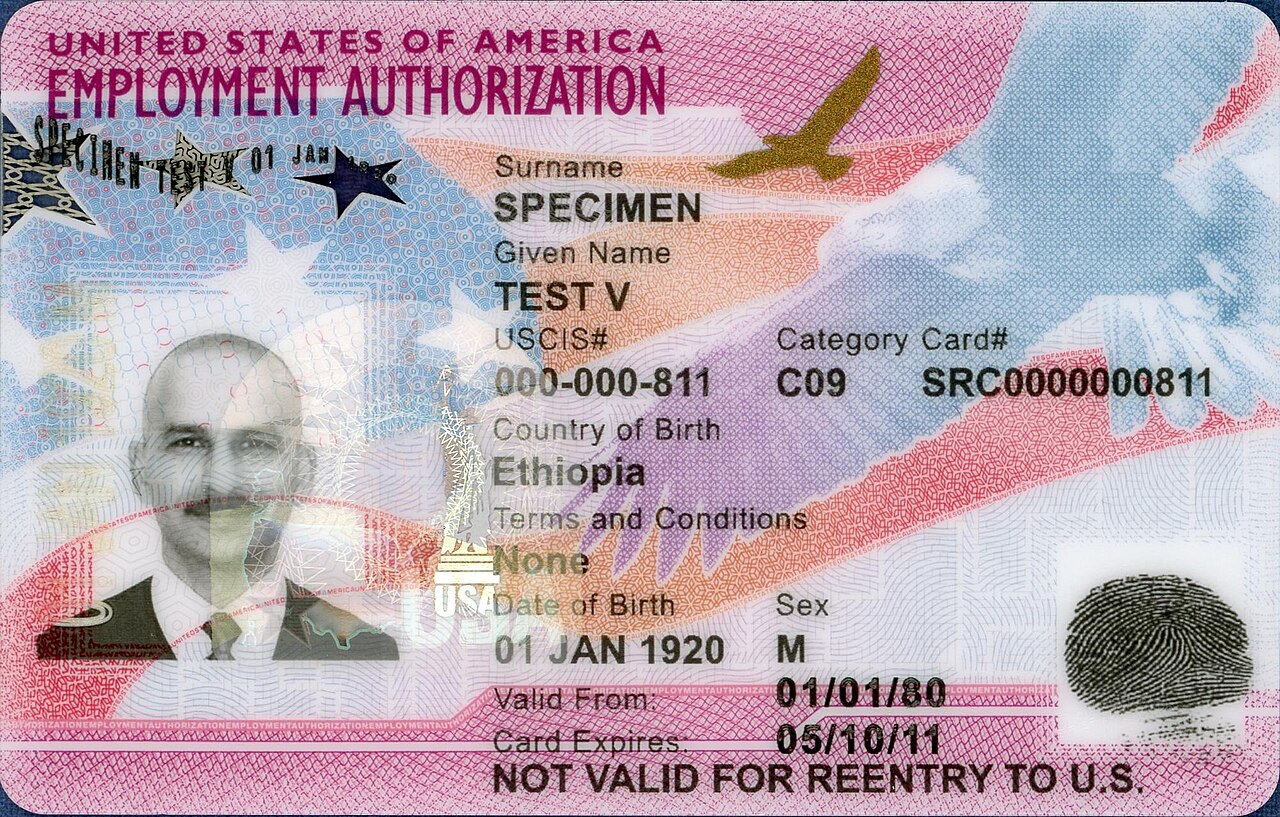
U.S. Citizenship and Immigration Services (USCIS) is finalizing a rule. Certain immigrants who file employment authorization document (EAD) renewal applications on or after October 30, 2025, will no longer receive automatic extensions of work permits. This means they risk losing lawful work authorization while their applications are pending.
The final rule confirms a policy introduced by USCIS last year that eliminates the automatic extension of up to 540 days for Employment Authorization Documents (EADs) for eligible applicants. USCIS released a pre-publication version of the rule on October 13 and officially published it in the Federal Register on October 14.
The policy change means that foreign workers who apply to renew their work permits on or after the October 30, 2025 deadline can no longer rely on the previous 540-day automatic extension while waiting for USCIS to process their applications.
Under the new rule, an applicant's work authorization generally ends immediately when the existing EAD expires. Unless the applicant has another valid basis for work authorization, they must wait for USCIS to approve the renewal application before regaining work authorization.
This change may create employment challenges for foreign workers whose EADs have expired while their renewal applications are still pending. Employers also need to take the possibility of interrupted work authorization into account when planning staffing and verifying employees' eligibility to work in the United States.
USCIS initially introduced the policy through an interim final rule without prior public notice or solicitation of public comment. After reviewing public comments received on the interim measure, USCIS has now issued the final rule with the content unchanged.
However, the new rule does not rescind automatic extensions that were already in effect before October 30, 2025. Nor does it affect extensions obtained under other separate laws or specific Federal Register notices.
For affected applicants, merely filing a renewal application before the existing EAD expires no longer automatically grants an extension of up to 540 days. Therefore, workers and employers should carefully review the relevant eligibility rules and renewal timelines to determine whether other work authorization pathways are available.
This rule highlights the importance of timely work permit renewals and understanding how policy changes affect employment. For some foreign workers, an expired work permit may mean having to pause work while USCIS adjudicates the renewal application. The specific impact will depend on each worker's immigration status and whether they have other lawful means to work in the United States.
USCIS reminds workers to carefully review the rules applicable to their situation. If unsure about their work authorization status, they are advised to consult a professional immigration attorney promptly.
