
Summary of COVID-19-Related U.S. Visa and Entry Restrictions
This article summarizes various U.S. visa and entry restrictions implemented during the early COVID-19 pandemic, including suspension of routine visa services at embassies and consulates, cancellation of USCIS interviews and naturalization ceremonies, a 60-day pause on certain immigrant visas, sanctions under INA 243(d), essential-travel-only restrictions at land and sea borders with Canada and Mexico, entry bans for travelers who had been in China, Iran, Schengen countries, the UK, Ireland, or Brazil within the prior 14 days, and requirements for international flights to land at designated airports.
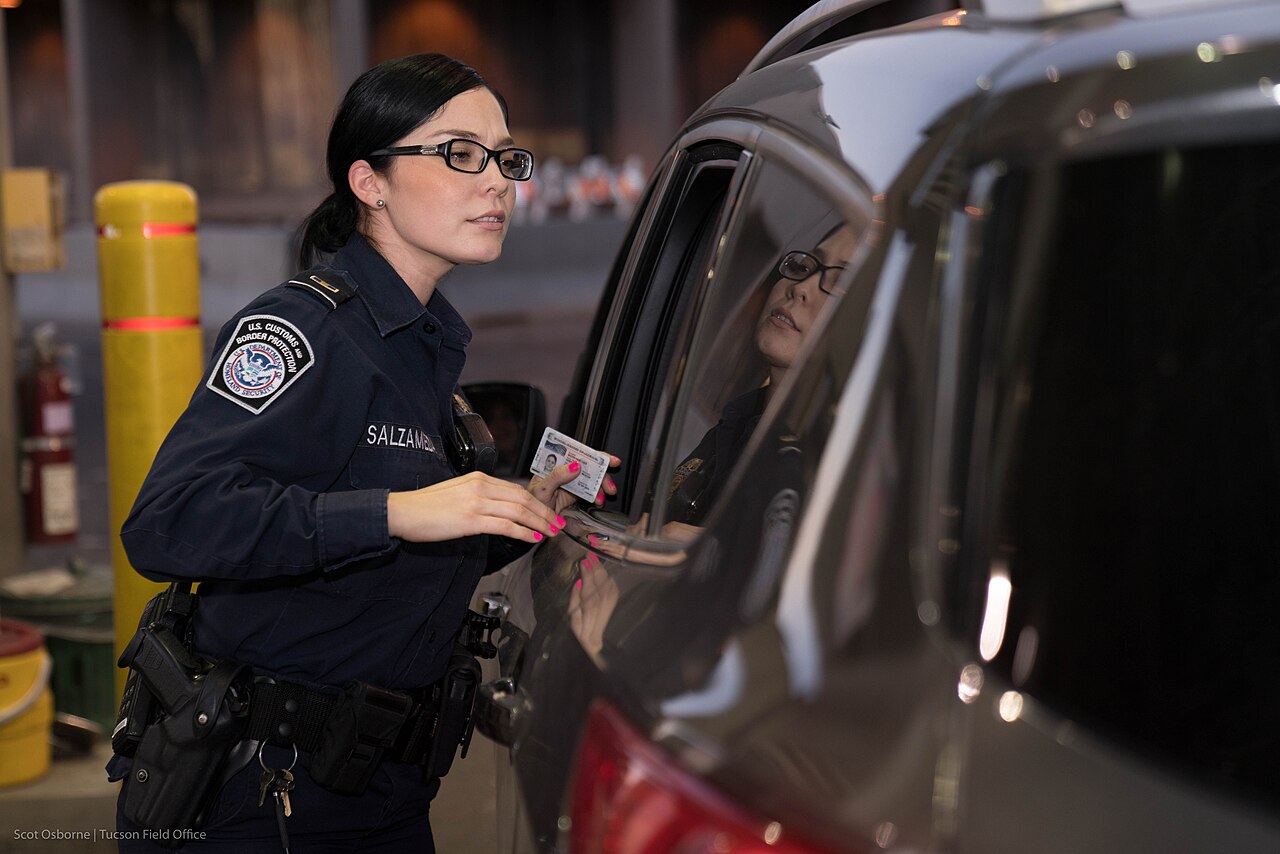
This article summarizes some of the current restrictions on U.S. visas and entry due to the COVID-19 pandemic.
Suspension of U.S. Consular and Visa Services
The U.S. Department of State has suspended routine visa services at all U.S. embassies and consulates [source], offering only emergency visa services. All routine immigrant and nonimmigrant visa appointments have been canceled, but paid Machine Readable Visa (MRV) fees remain valid and can be used for a visa application within one year.
USCIS Temporarily Cancels All Interviews, Biometrics, and Naturalization Ceremonies
Any procedures requiring in-person contact with USCIS staff have been suspended, but B2 extension applications can still be submitted by mail or online, except that biometrics cannot be collected. USCIS offices reopened in early June, but closures may be extended further.
[https://gonglue.us/53018]
Suspension of Certain Immigrant Visas for 60 Days
Affected are immigrant visa applicants outside the United States.
[https://gonglue.us/55905]
COVID-19-Related Sanctions Under INA 243(d)
The word “sanctions” may sound frightening, but as long as we do not violate the law, such sanctions do not concern us. See {https://gonglue.us/54836}.
Land/Sea Border Restrictions with Canada and Mexico
Two Federal Register notices published on March 24, 2020 [here and here] announced that only “essential travel” is allowed to enter the United States through land/sea ports of entry along the U.S.-Canada and U.S.-Mexico borders. The restrictions have been extended twice [here and here] and are currently in effect until June 22, 2020. The U.S. Embassy in Mexico also provided a Q&A.
The restriction does not apply to the following persons, who may enter the United States as usual:
- U.S. citizens and green card holders.
- Persons traveling to the United States for medical treatment.
- Persons entering educational institutions.
- Legitimate cross-border trade activities (e.g., truck drivers).
- Essential agricultural workers.
- Emergency medical personnel.
- Diplomatic and official personnel.
- U.S. military personnel and their families.
- Military operations personnel.
Basically, this ban restricts tourists with B1/B2 visas; during the pandemic, tourism is not considered "essential travel."
Entry Restrictions for Certain Countries
Persons who have been in the following countries in the past 14 days (regardless of nationality) will not be allowed to enter the United States:
- China [source].
- Iran [source].
- European Schengen countries [source], including Austria, Belgium, Czech Republic, Denmark, Estonia, Finland, France, Germany, Greece, Hungary, Iceland, Italy, Latvia, Liechtenstein, Lithuania, Luxembourg, Malta, Netherlands, Norway, Poland, Portugal, Slovakia, Slovenia, Spain, Sweden, and Switzerland.
- United Kingdom and Ireland [source].
- Brazil (effective May 28) [source].
This ban does not apply to U.S. citizens, green card holders, or other foreign nationals not covered by the restriction order. U.S. citizens, green card holders, and those who have obtained immigrant visas can enter the United States; for details, see {https://gonglue.us/51022}.
International Flights Must Land at Designated Airports
A Federal Register notice [source] jointly issued by U.S. Customs and Border Protection (CBP) and the Transportation Security Administration (TSA) informs all aircraft operators that all flights carrying passengers must land at one of the following airports:
- John F. Kennedy International Airport (JFK), New York
- Chicago O’Hare International Airport (ORD), Illinois
- San Francisco International Airport (SFO), California
- Los Angeles International Airport (LAX), California
- Seattle-Tacoma International Airport (SEA), Washington
- Daniel K. Inouye International Airport (HNL), Hawaii
- Hartsfield-Jackson Atlanta International Airport (ATL), Georgia
- Washington Dulles International Airport (IAD), Virginia
- Newark Liberty International Airport (EWR), New Jersey
- Dallas/Fort Worth International Airport (DFW), Texas
- Detroit Metropolitan Wayne County Airport (DTW), Michigan
- Boston Logan International Airport (BOS), Massachusetts
- Miami International Airport (MIA), Florida
