
USCIS Cancels Planned Furloughs, Warns of Longer Processing Times for Immigration Benefits
This article traces how USCIS, facing a pandemic-driven revenue collapse in 2020, planned mass furloughs, sought emergency funding from Congress, and saw the House pass H.R. 8089, before ultimately canceling the furloughs set for August 30 in favor of spending cuts. USCIS warned that immigration benefit applications, including adjustment of status and naturalization, would take longer.
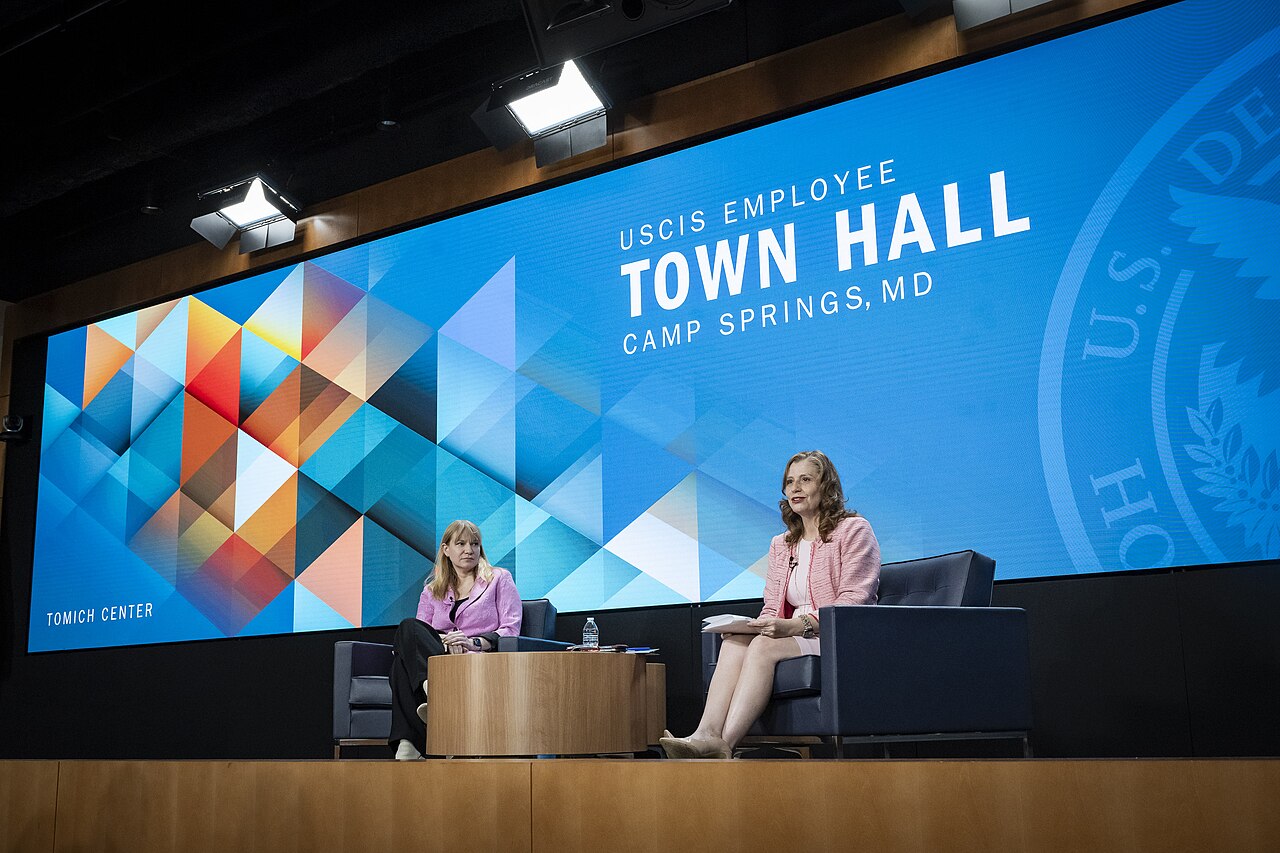
Update 3: On August 25, USCIS announced it would cancel the furloughs originally scheduled to begin on August 30, replacing them with "unprecedented spending cuts." Revenue, which had been severely hit by the pandemic, is now increasing. The statement indicated that due to factors such as reduced contract staff, immigration benefit applications—including adjustment of status and naturalization—will take longer to process.
Update 2: On August 22, the House passed H.R. 8089, the "Emergency Stopgap USCIS Stabilization Act," aimed at preventing USCIS's mass furloughs. Due to the pandemic's impact on immigration applications and revenue, USCIS had planned to furlough 13,400 of its 19,800 employees starting August 30.
Update 1: According to reports, given possible congressional assistance and an increase in recent immigration applications (higher revenue), USCIS temporarily postponed the furloughs to August 30.
###
Within the federal government, USCIS is somewhat unique: its funding comes primarily from the hundreds to thousands of dollars in fees charged for various visa and immigration benefit applications, rather than from congressional appropriations. As a result, when the two parties in Congress fail to agree on the fiscal budget and the federal government shuts down, the immigration agency is generally unaffected (see my earlier article: {https://gonglue.us/24432}). In effect, USCIS operates more like a self-financing government enterprise.
This government agency has recently run short of funds. The reason is that, affected by the pandemic, applications for various visas and immigration benefits fell sharply (an estimated 61% decline in fiscal year 2020 compared with the previous year), causing revenue to drop steeply. According to a Federal News Network report, in mid-May the immigration agency asked Congress for $1.2 billion in emergency funding over two years. If the request is not approved, the agency will be unable to pay salaries, and about 13,400 officers are expected to be forced into unpaid furlough starting August 3, equivalent to 75% of the agency's entire staff.
Due to pandemic-related travel restrictions and flight cancellations, we have recently seen a large number of B1/B2 extension applications. Before seeing this news, I personally had the mistaken impression that USCIS was very busy now. Now it seems that these additional B1/B2 extension applications are far from enough to offset the impact of the decline in other visa and immigration benefit applications on USCIS; they are not busy now (though some departments may be), and the slow processing, I guess, is mainly due to work from home, the suspension of in-person services, and the inability to take fingerprints.
USCIS resumed some public services starting June 4, but Application Support Centers, which handle fingerprinting and other services, remain closed. If mass furloughs occur, extension applications, green card adjudications and issuances, and other processes could be further affected.
[https://gonglue.us/53018]
