
Can Applicants Translate Their Own Documents for USCIS?
Citing 8 CFR 103.2(b)(3), this article explains USCIS's two translation requirements, presents the State Department's suggested translator certification format, and discusses the credibility and RFE risks of self-translation with self-certification, recommending certification by someone without a conflict of interest.
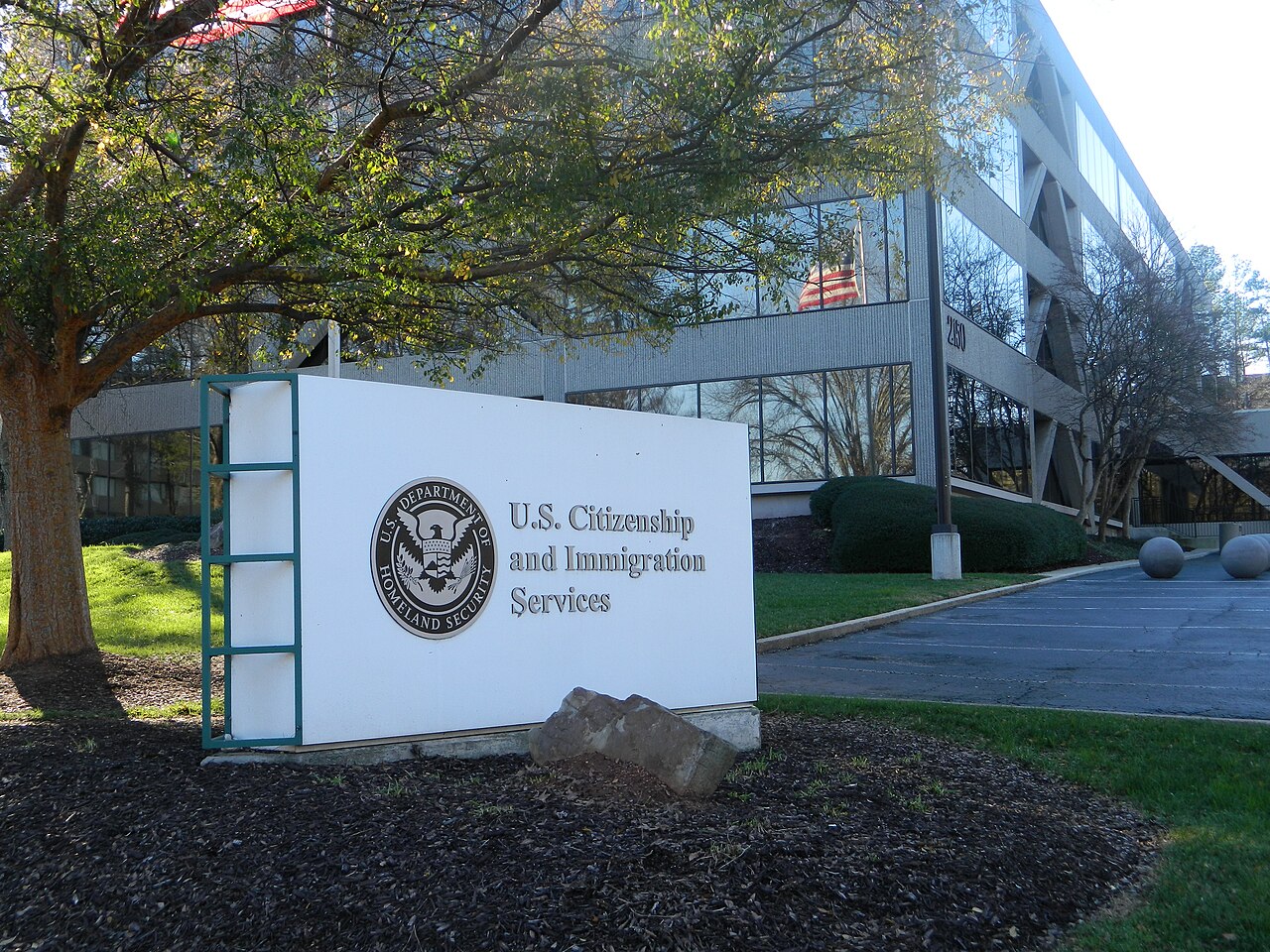
When applying for a green card or other immigration benefits (such as an extension), if the documents submitted to USCIS are in Chinese, they need to be translated into English and certified, such as bank statements, household registration records, marriage certificates, birth certificates, etc. As I previously explained, don't be intimidated by the word "notarization"—you can actually do the English translation yourself and have a friend in the U.S. who knows both Chinese and English sign to certify that the translation is correct and accurate.
- {https://gonglue.us/14254}
- {https://gonglue.us/16358}
Today a reader asked: "If I translated it myself, can I also sign the certification myself?"
The short answer: possibly yes, but it is not recommended.
USCIS requirements for translations are based on 8 CFR 103.2(b)(3):
Translations. Any document containing foreign language submitted to USCIS must be accompanied by a complete English translation, and the translator must certify that the translation is complete and accurate and that he or she is competent to translate from the foreign language into English.
The requirements mainly include two points: (1) the translator certifies that the translation is complete and accurate, and (2) the translator certifies that he or she is competent to translate from the foreign language into English. There are no other requirements.
How to make the certification? The Department of State provides a template:
The certification format should include the certifier's name, signature, address, and date of certification. A suggested format is: Certification by Translator I, [typed name], certify that I am fluent (conversant) in the English and ________ languages, and that the above/attached document is an accurate translation of the document attached entitled ______________________________. Signature_________________________________ Date Typed Name Address
Immigration law, the Department of State, and USCIS have not stated that "the translator cannot be the applicant"—at least I have not found such a rule. When searching English materials, some websites (such as this one, this one, and this one) explicitly claim that "you cannot translate it yourself; it must be done by a professional translator," but none of them explain the basis; moreover, they are all translation companies with a conflict of interest—they naturally do not want applicants to translate for themselves but want clients to use their services.
This is precisely the problem you may face when translating for yourself—a conflict of interest. Although no regulation requires that you cannot translate and sign for yourself, whether your translation is accepted is still up to the immigration officer adjudicating the case. If you "notarize" it yourself, the credibility is naturally lower, and if you encounter a slightly picky immigration officer, you may receive an RFE, which is not worth the risk. By comparison, it is more prudent to have a friend without a conflict of interest sign the translation certification.
