
Which 'Compelling Circumstances' May Qualify for a (c)(35) Temporary Work Permit: An Analysis of USCIS Policy Guidance
This article explains who may qualify for a (c)(35) temporary work permit and, based on USCIS Policy Alert PA-2023-18 of June 14, 2023, outlines circumstances that may count as 'compelling,' including serious health conditions, employer misconduct and unexpected substantial harm. It notes that job loss alone generally does not qualify, describes the exception for significant disruption to an employer's operations, and presents case examples and the limits of this authorization.
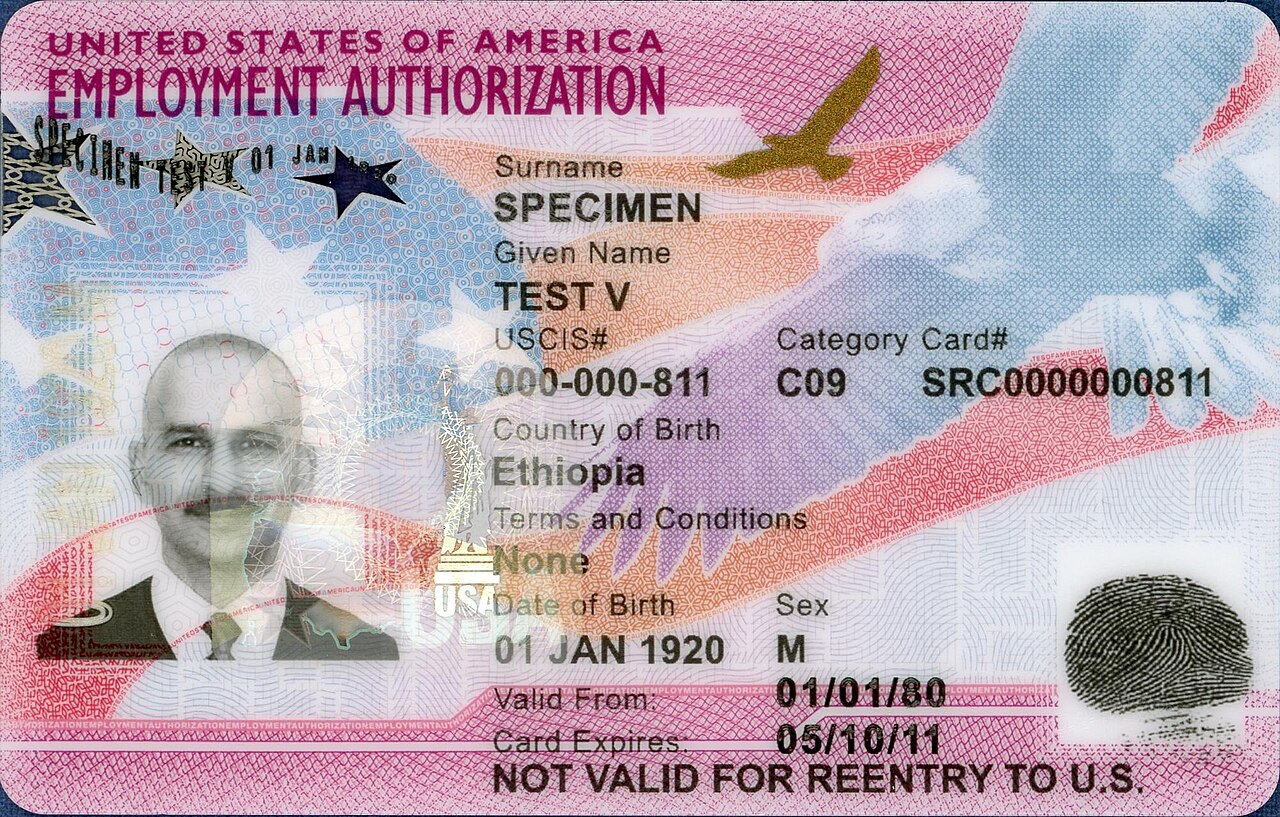
When a foreign national holding a work visa loses their job, it can set off a chain reaction—for example, the individual and family members may simultaneously lose lawful status, causing significant hardship for the entire household. If "compelling circumstances" apply, the person may be eligible to apply for a (c)(35) category EAD work permit. This work permit does not permanently resolve status issues, but in some situations it can give the applicant breathing room.
On June 14, 2023, USCIS issued Policy Alert PA-2023-18, clarifying which situations may qualify for a (c)(35) category EAD.
Consequences of Losing Status
If a person loses lawful status and remains in the United States without proper authorization, it will be considered unlawful presence, with consequences including:
- Accumulating more than 180 days of unlawful presence results in a 3-year bar on reentry to the United States.
- Accumulating more than 365 days of unlawful presence results in a 10-year bar on reentry to the United States.
- Unlawful presence may also prevent the applicant from adjusting status or obtaining a green card, and may expose them to the risk of removal.
Overview of the (c)(35) Category EAD
(c)(35) allows certain applicants to apply for temporary work authorization based on "compelling circumstances," and primarily applies to the following groups:
- Holding a nonimmigrant visa such as E-3, H-1B, H-1B1, L-1, or O-1.
- Their I-140 immigrant petition has already been approved.
- They cannot yet file I-485 to adjust status due to green card backlogs.
[embed-post id=41205]
Defining "Compelling Circumstances"
The USCIS policy alert provides a relatively clear definition of what may be considered "compelling circumstances":
- Serious health issues: for example, a life-threatening illness requiring ongoing medical care.
- Employer misconduct: for example, wrongful termination or retaliation by the employer.
- Unexpected substantial harm: for example, sudden job loss due to mass layoffs causing severe financial hardship, or being unable to leave the United States and return to the home country due to certain special circumstances there.
Please note that if it is merely unemployment, or reaching the maximum statutory period for a certain immigration status, USCIS generally will not consider it a "compelling circumstance" unless the applicant can demonstrate that other special factors exist that exacerbate the hardship caused by the unemployment.
In addition to the applicant's own "compelling circumstances," if the applicant, due to unforeseen reasons, cannot renew the work authorization sponsored by the employer, and this will cause significant disruption to the employer's operations, including financial or other losses, the applicant may also be eligible to apply for a (c)(35) category EAD.
Case Examples
Example 1: Suppose an engineer holding an H-1B visa is recently diagnosed with a rare disease and must go to a hospital in Seattle for treatment. His company only has operations on the East Coast and cannot offer remote work opportunities. In this situation, he can apply for a (c)(35) category work permit. After approval, he can legally remain in the United States, including moving to Seattle for treatment, and can also work legally.
Example 2: Suppose an L-1A employee working at a multinational company is laid off due to corporate restructuring, and he and his dependent spouse are about to lose their legal status, but they cannot return to their home country due to war or pandemic there. At this time, he and his spouse can apply for (c)(35) and (c)(36) category work permits, respectively, to maintain their legal status in the United States.
Example 3: An employee holding an L-1B reveals possible illegal or improper conduct by the company and is retaliated against by company management, who threaten to terminate or reassign him. He may be eligible to apply for a (c)(35) category EAD.
Benefits and Limitations
If you have the "compelling circumstances" discussed in this article, not only can you apply for a (c)(35) category temporary work permit, but your dependents, including your spouse and minor children, can also apply for a (c)(36) category temporary work permit.
However, this temporary work permit is not a long-term solution. It cannot help you adjust status or obtain immigration status; rather, it is only a request to USCIS, due to some emergency, to "pause" the counting of your unlawful presence in the United States.
[citation: USCIS. Policy Alert PA-2023-18. Employment Authorization Documents Based on Compelling Circumstances. ( https://www.uscis.gov/sites/default/files/document/policy-manual-updates/20230614-CompellingCircumstancesEAD.pdf )]
[citation: USCIS. Policy Manual, Volume 10, Part B, Chapter 3. Certain Employment-Based Immigrants in Compelling Circumstances ( https://www.uscis.gov/policy-manual/volume-10-part-b-chapter-3 )]
[citation: USCIS. Employment Authorization in Compelling Circumstances ( https://www.uscis.gov/working-in-the-united-states/information-for-employers-and-employees/employment-authorization-in-compelling-circumstances )]
[citation: USCIS. Employment Authorization ( https://www.uscis.gov/employment-authorization )]
